
What We Learned From Billie Jean King and Ilana Kloss
In an exclusive interview about partnership, power, and why strength is never a solo act.
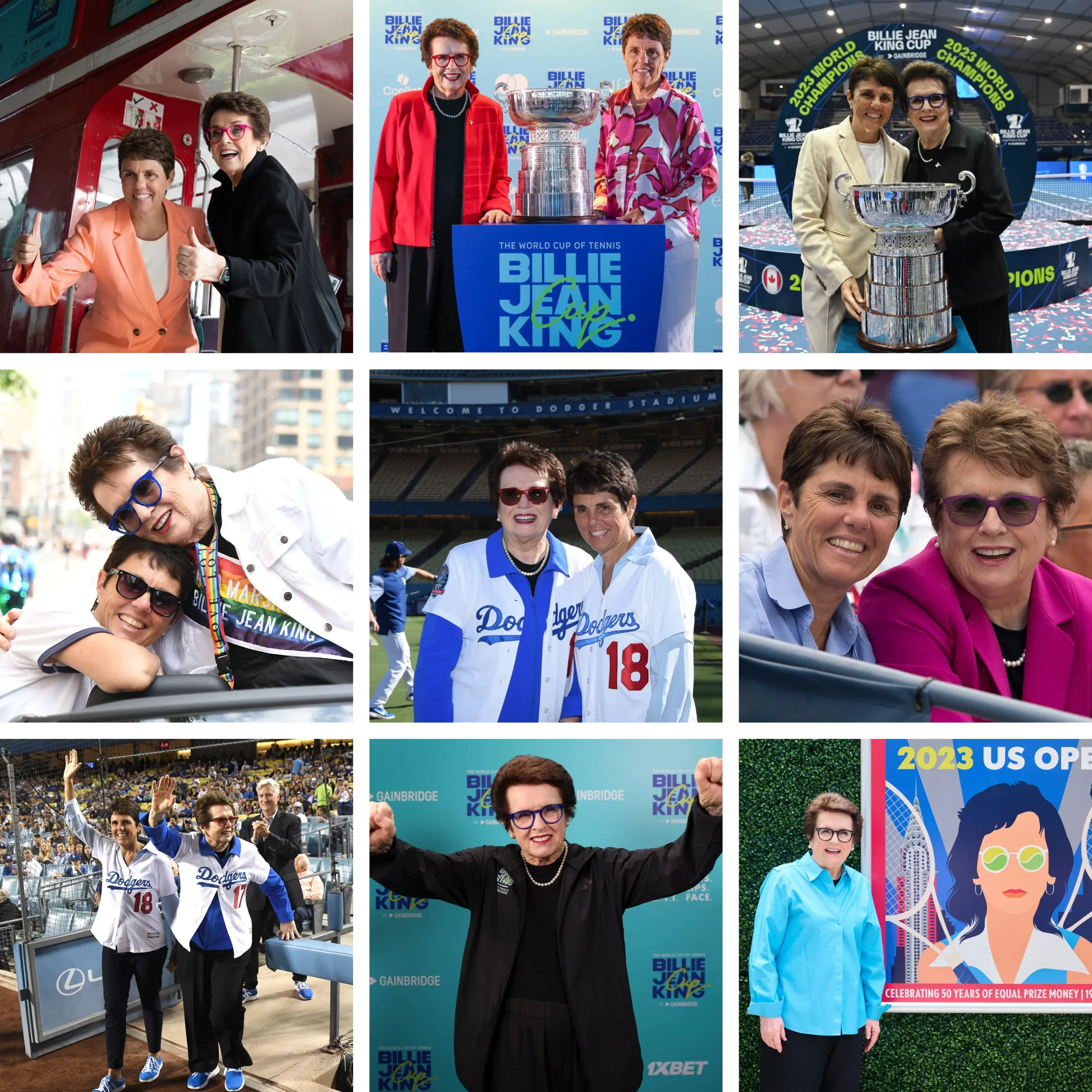
When Pattie Sellers and I launched our new show LIFT yesterday on SiriusXM, we knew exactly who we wanted as our very first guests.
Not just icons.
Not just legends.
But builders.
What unfolded in our conversation with Billie Jean King—39-time Grand Slam champion, architect of women’s professional tennis, and a lifelong force for equality—and her wife Ilana Kloss, a former world No. 1 doubles player and the engine behind Billie Jean King Enterprises, was more than a greatest-hits tour of women’s sports history. It was a masterclass in how movements are built—through relationships, systems, persistence, and a belief that strength is something you grow, not something you’re born with.
Here are the takeaways that have stayed with me.
1. Revolutions Don’t Scale on Individual Brilliance Alone
Billie Jean King changed the world—but she is the first to tell you she did not do it alone.
Again and again, the conversation returned to partnership. Not symbolic partnership. Not “standing beside.” But building together.
Ilana Kloss wasn’t just a champion doubles player who became Billie Jean’s wife. She became the strategist, the negotiator, the person who heard “no” and thought: they just don’t have enough information yet.
That distinction matters.
Movements don’t fail because of a lack of vision. They fail because vision isn’t matched with execution, patience, and the willingness to keep asking questions. Ilana’s superpower—refusing to treat “no” as final—helped fuel decades of progress.
Takeaway: If you want to change something at scale, ask yourself: Who is helping me build the system—not just amplify the message?
2.Curiosity Is a Competitive Advantage
Billie Jean says she can be shy and introverted. Yet just listen to her speak. Her charm connects with everyone across barriers and it’s clear she genuinely likes people.
Why?
Curiosity.
“If you’re bored with someone,” she frequently says, “you’re not asking the right questions.”
That curiosity—about people, history, culture, and context—is how she anticipated the future of professional tennis before it existed. It’s how she understood that fashion, media, and sports were all reflections of social change. It’s how she saw equality as a systemic design problem, not a single battle to be won.
Takeaway: Curiosity isn’t just a personality trait. It’s a muscle—and one of the most powerful ones you can train.
3.The Most Radical Parenting Move? Don’t Ask If They Won
One of the most quietly profound moments of the interview came when Billie Jean talked about her parents.
They never asked her—or her baseball-obsessed brother—if they won a match.
They asked: What kind of day did you have?
That single choice, she believes, is part of the reason why she stayed in sports while so many kids burn out. When adults project ambition onto children, kids don’t quit because they lack talent—they quit because they feel trapped by expectations and it makes them unhappy.
Takeaway: Process builds longevity. Obsession with results kills it.
This applies far beyond sports.
4.Showing Up Is Still 99% of Winning
The story of how Billie Jean and Ilana ended up owning stakes in the Los Angeles Dodgers didn’t begin with a pitch deck.
It began with showing up to a charity dinner.
Being seated next to the right person.
Having a real conversation.
Asking the question others wouldn’t ask: Why not the Dodgers?
And suddenly, they weren’t just invited in—they had a voice at the table.
Takeaway: Access is often created, not granted. Relationships compound faster than credentials.
5.Capital Changes What’s Possible—for Better or Worse
One of the sharpest insights from Ilana: women’s sports didn’t fail in the past because of lack of talent or audience interest.
They failed because early investors didn’t stay.
Short-term capital creates fragility. Long-term capital builds infrastructure.
That’s the difference between charity and investment.
Now, as billionaire owners enter women’s sports not as patrons but as investors, the landscape is shifting—from survival to scale.
Takeaway: If you want durable change, look closely at who’s funding it—and for how long.
6.Strength Is About Becoming More, Not Smaller
Perhaps the most emotional section of the conversation centered on strength—physical, mental, and emotional.
Billie Jean has been lifting weights since the 1970s. At 82, she still trains, sets goals, enjoys the process and refuses to let age dictate her agency.
Ilana, who once dreaded the gym, found her own strength through running—discovering identity beyond results, rankings, or external validation.
Strength is not about shrinking yourself to fit expectations.
It’s about building capacity—muscle, confidence, resilience, self-trust.
Takeaway: Strength isn’t just aesthetic. It’s agency and power.
7.Power Is Fighting for Someone Else When It Would Be Easier Not To
When we asked them to define power and strength, Ilana’s answer really landed:
“Power is helping others. Strength is standing up to bullies who don’t want that to happen.”
That, in many ways, is the throughline of Billie Jean King’s life.
It’s one thing to fight for yourself.
It’s braver to fight for those who don’t yet have a platform.
Takeaway: The clearest test of power is what you do when the benefit isn’t personal.
8.Time Is Finite—Which Is Exactly Why It Matters
At 82, Billie Jean doesn’t romanticize aging. She names it honestly: it’s harder to move, easier to stop, tempting to disengage.
And yet—she keeps going.
Because urgency sharpens purpose.


read other articles
-

5 Things I Learned From Anne Wojcicki
The 23 and Me founder on how your community shapes you, money can set you free, genetics is personal—and why she refused to walk away when everything fell apart.
• Sep 11, 2026 -

Winning is Not The Point Anymore
Now in my 50's, I returned to the bodybuilding stage after years of false starts. I didn't bring home a plastic trophy. Instead, I came home understanding why I still compete.
• Jul 28, 2026 -
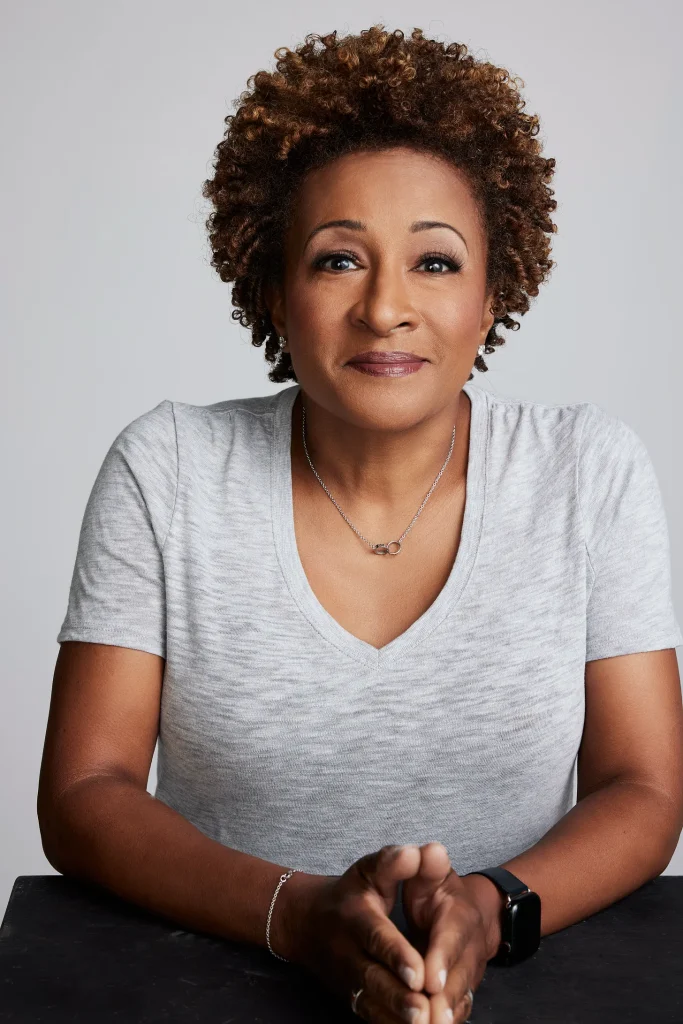
What Wanda Sykes Taught Us About Reinvention, Strength, and Legacy
In an exclusive interview on LIFT, Wanda Sykes shared lessons on reinvention, resilience, creativity, and legacy that reach far beyond the comedy stage.
• Jul 15, 2026