
The Art of Not Caring (When It Matters Most)
Alysa Liu’s gold-medal skate wasn’t indifference. It was something rarer: the ability to want deeply without letting the outcome own you.
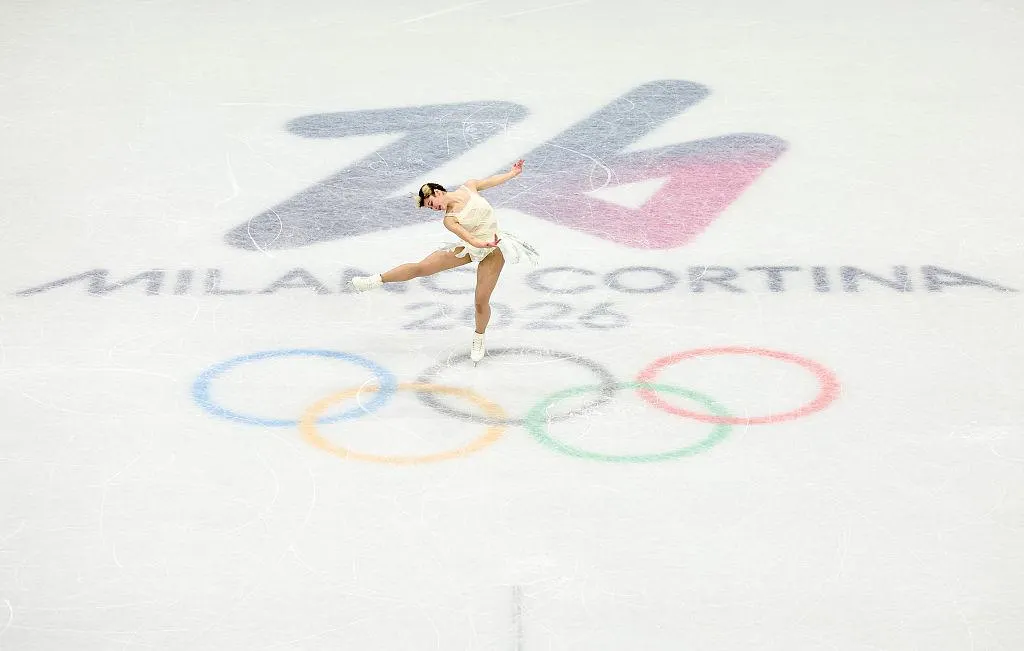
I’m still marveling at Alysa Liu’s gold-medal-winning skate.
Breaking a 20-year drought for U.S. women in Olympic figure skating, Liu skated with a kind of freedom that looked, from the outside, like none of it mattered.
Of course, it wasn’t that. What we saw was something far rarer: the ability to care deeply without gripping tightly. To want something without needing it. To perform at the highest level while appearing as if nothing is at stake.
Watching Liu’s four-minute free skate to Donna Summer — loose, buoyant, almost laughing through the choreography — you could feel that freedom radiating through the screen. She didn’t skate like someone trying to win gold. She skated like someone who had already decided she would be okay no matter what.
Contrast that with Amber Glenn: intense, jaw set, body taut with the knowledge that this moment mattered. Of course it mattered. It’s the Olympics. Years of sacrifice compressed into four minutes. To pretend otherwise would be absurd.
And yet.
The paradox of peak performance is that caring too much often gets in the way of doing well. The muscles tighten. The breath shortens. The mind rushes ahead to outcomes. You lose the moment.
Ease, by contrast, is not the absence of effort. It is effort without panic.
I keep thinking about a phrase menopause influencer Melani Sanders used in her recent interview on LIFT (the radio show) when she described the mindset behind her accidental midlife movement: We Do Not Care. It started, she said, with a moment so small, in her car outside a Whole Foods. She looked at herself in the mirror and had the thought so many women hit: I’m at capacity.
When she turned on her phone and hit record to announce the launch of a We Do Not Care club, the response exploded.
Sanders’ version was about dropping the pressure to be polished and perfect. Instead, she made space for something more powerful: authenticity.
We just saw it on the ice. It looked like joy.
Elite athletes call it flow — being in the zone, letting the body do what it already knows how to do. The best at what they do often look like they are barely trying at all, not because they don’t care, but because they’ve learned to stop interfering with themselves.
Care too much, and you clench.
Care just enough, and you can melt into the task.
Sanders described herself as the opposite of social media’s “perfect aesthetic” — no makeup, hot mess, and fine with it. She wasn’t selling an image so much as permission: Who cares? You are enough.
I think of Liu’s distinctive look — her mouth piercing, her funky striped hair. She skates with a normal athletic physique, proudly telling an interviewer, “No one’s gonna starve me or tell me what I can and can’t eat.”
That is “not caring” as a kind of reclaiming.
And it might be the hidden engine behind what we witnessed: the ability to step onto the biggest stage and still skate as if you’re alone.
So many of us recognize the other posture: Amber Glenn’s seriousness, her visible strain after a failed short program, the aura of ‘this has to go right.’ Most of us live there, even when the stakes are far smaller than an Olympic final. We live with the clenched jaw of proving ourselves. Of wanting it so badly. The hypervigilance of trying not to fail publicly. The exhausting belief that we must try harder than everyone else just to succeed.
Sanders’ movement offers an alternative. So did Liu’s skate.
Maybe the secret isn’t not caring. Maybe it’s refusing to turn caring into a chokehold.
Because the truth is, when something matters so much, “not caring” feels impossible.
Your child’s future. Your health. Your career. The chance you’ve been waiting for. Of course you care.
The art is not eliminating care.
Maybe the art is loosening its grip.
To skate as if the outcome will not determine your worth.
To speak as if judgment will not erase your voice.
To create as if the internet is not a jury.
That’s why Alysa Liu’s performance was so striking— not because she wanted it less, but because she feared it less.
Maybe the secret is to step onto the ice — or the stage, or the page — and trust that you are already enough whether you fall or fly.
And then, finally, let yourself dance.


read other articles
-
5 Things I Learned From Anne Wojcicki
The 23 and Me founder on how your community shapes you, money can set you free, genetics is personal—and why she refused to walk away when everything fell apart.
• Sep 11, 2026 -
Winning is Not The Point Anymore
Now in my 50's, I returned to the bodybuilding stage after years of false starts. I didn't bring home a plastic trophy. Instead, I came home understanding why I still compete.
• Jul 28, 2026 -
What We Learned From Billie Jean King and Ilana Kloss
In an exclusive interview about partnership, power, and why strength is never a solo act.
• Jan 9, 2026